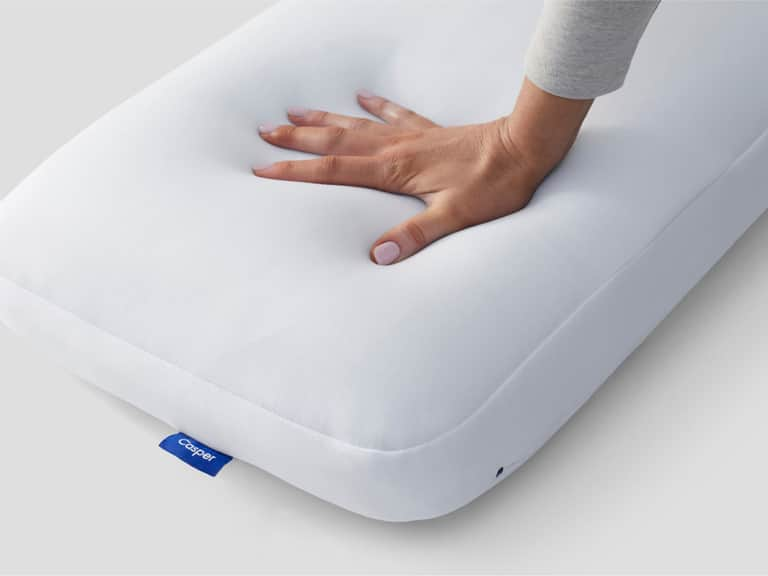
Element Mattress
Sleep cooler and move freely with breathable open-cell foam and Breathe Flex foam, wrapped in a stretch-knit cover that flexes with you for all-night comfort. Backed by a 10-year warranty.
An approachable overview of key safety certifications for memory foam products, including CertiPUR-US and Oeko-Tex. Learn what these labels mean, how they’re tested, and how to apply them when evaluating bedding from brands like Aireloom, Naturepedic, and Obasan.
In a market saturated with claims about comfort, temperature regulation, and safety, the tiny seals and labels on memory foam products can feel like a labyrinth. Yet these certifications exist to provide a standardized way to evaluate materials, processes, and end products. For consumers seeking trustworthy information about memory foam—whether it be pillows, toppers, or mattresses—CertiPUR-US and Oeko-Tex represent two of the most widely recognized frameworks. They serve as navigational beacons in a field where chemistry, emissions, and lifecycle considerations intersect with sleep health and environmental responsibility.
What follows is not a product pitch. It is a practical, reader-friendly guide to understanding what these certifications cover, how testing is conducted, and how you can apply this knowledge when comparing products from responsible brands such as Aireloom, Naturepedic, and Obasan. The aim is to empower readers to make informed decisions that align with personal health, household safety, and environmental values.
Memory foam, celebrated for its contouring support and pressure relief, is a material that can also carry regulatory and safety considerations. The original memory foam research and development were driven by aerospace and medical applications, but consumer products bring the material into the home environment where people—children, pregnant individuals, allergy sufferers—spend a significant portion of their lives. Certifications help verify that the foam, the cover fabrics, adhesives, and other components meet specific safety and environmental standards. They also provide a benchmark for comparing products across brands and price points.
Certifications can influence several decision dimensions, including:
When you see a recognized certification on a memory foam product, you gain a level of reassurance that independent or third-party standards have evaluated the item against defined benchmarks. The labels themselves are not a guarantee of perfection, but they do provide a foundation for informed comparison and responsible purchasing.
The CertiPUR-US program is one of the most prevalent memory foam certifications in the United States and many other markets. It is administered by an independent, third-party organization that tests foam products for specific chemical emissions, content, and physical performance criteria. Understanding CertiPUR-US helps you interpret a common badge found on memory foam cores, toppers, and some pillows.
Key elements typically assessed under CertiPUR-US include:
It is important to recognize what CertiPUR-US does not address. The program focuses primarily on the foam itself and not on every component of a finished product. It does not guarantee the entire mattress or pillow is free from all potential allergens, nor does it cover every step in the supply chain, including the fabric covers, adhesives, glues, or manufacturing emissions beyond the foam core. Additionally, CertiPUR-US is not a blanket endorsement of all environmental or health impacts; rather, it signifies compliance with a defined set of chemical and emission standards for foam materials.
Brands such as Aireloom, Naturepedic, and Obasan are frequently cited in consumer discussions about CertiPUR-US because these names often pair foam-based comfort with a broader emphasis on safer or more natural materials overall. When you see a CertiPUR-US mark, you can refer to the certification’s scope as a baseline for assessing the foam’s safety profile, but you should also investigate other materials in the product ecosystem, including the fabric, flame barriers, and any optional latex or natural fiber ingredients.
Oeko-Tex is a globally trusted certification for textiles, with lines of testing that span various product categories, including fabrics used in mattress covers, pillow casings, and bedding textiles. Oeko-Tex focuses on chemical safety and allergen considerations for textiles, while CertiPUR-US concentrates on the memory foam core content and emissions. In a fully integrated sleep system, you may encounter both certifications on different parts of a single product: the foam core bearing CertiPUR-US and the textile cover bearing Oeko-Tex or a similar textile standard.
Key aspects of Oeko-Tex evaluation typically include:
Readers should note that Oeko-Tex labeling can come in several forms (Standard 100, STeP for sustainability, etc.). Each form signals a slightly different focus—textile safety versus production sustainability—so understanding the exact certification level and the associated test criteria is crucial for an apples-to-apples comparison.
Armed with an understanding of CertiPUR-US and Oeko-Tex, you can approach product labels with a more confident, methodical eye. Here are practical steps to guide your evaluation when you shop for memory foam products or read product pages online:
Within the ecosystem of established bedding brands, certifications often appear alongside product descriptions and safety data. For example, Aireloom, Naturepedic, and Obasan frequently emphasize a blend of comfort and toxin-conscious design. When you encounter their foam or textile components, here is how to interpret what you see:
While certifications provide meaningful guardrails, they are not a universal guarantee of health or environmental impact. They reflect defined testing criteria at a point in time, under specific conditions. The manufacturing process, supply chain integrity, and end-of-life handling are dynamic variables that evolve as new materials and technologies emerge. A responsible consumer approach combines certification literacy with a critical look at brand transparency, third-party testing availability, and the overall design philosophy of a product line.
Moreover, certifications can be a moving target. Standards may evolve with new research, regulatory updates, and shifts in consumer expectations. Regularly revisiting product documentation and certification status for the items you own or are considering ensures ongoing alignment with your safety and environmental goals.
To translate certification knowledge into confident purchases, consider the following practical framework:
To help readers quickly anchor their understanding, here is a concise glossary of terms you may encounter when evaluating memory foam products with certifications:
In a marketplace saturated with comfort claims, certification literacy is a practical, empowering skill. CertiPUR-US and Oeko-Tex offer concrete anchors for evaluating memory foam products, enabling consumers to distinguish between products that prioritize safety and those that promise performance without transparent verification. By pairing foam certifications with thoughtful scrutiny of textiles, packaging, and lifecycle data, shoppers can curate sleep environments that are not only comfortable but also safer and more responsible.
As you explore memory foam offerings—from pillows to toppers and mattresses—keep a steady eye on the labels, the certifications behind them, and the broader storytelling brands provide about materials, testing, and sustainability. In doing so, you honor a standard that aligns with an information-forward, safety-conscious approach to rest—an ethos that echoes through the pages of this site and into the quiet hours of your nightly routine.
Note: The article references industry-standard certification programs and widely cited brand practices to illustrate how to interpret labeling. When evaluating specific products, consult the latest official certification documents and product-specific literature from the manufacturer.
For readers seeking tangible context, the following items illustrate how certification and material choices can converge in real offerings. Each entry links to the product page where the certification details are typically listed.