Memory foam pillows provide conforming support that responds to head and neck pressure, promoting spinal alignment during sleep. The material typically uses viscoelastic properties to gradually contour to individual contours while maintaining durability. In organic memory foam variants, certifications and natural sourcing emphasize lower emissions and safer, more breathable comfort for varied sleep positions.
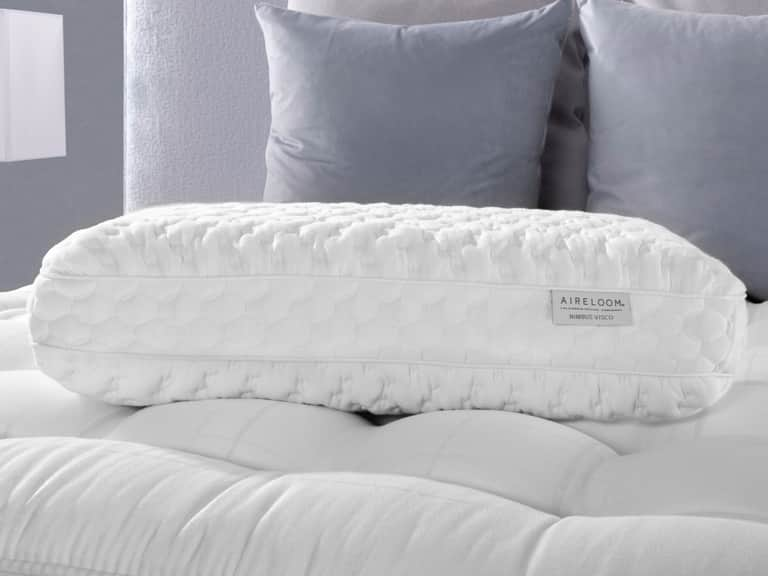
Key features to consider include pillow profile, density, and temperature regulation. High-profile memory foam pillows, such as the Aireloom Nimbus Visco High Profile Pillow, offer elevated support for back and side sleepers, helping to maintain neutral alignment. Look for breathable covers and certifications that reflect material safety and environmental considerations.
Functional benefits of memory foam pillows extend to reduced tossing and turning, improved pressure relief, and steadier head positioning throughout the night. Organic memory foam options aim to minimize chemical odors and off-gassing while preserving the supportive properties of traditional memory foam, which can be beneficial for sensitive sleepers.
In the context of bedding ecosystems, memory foam pillows pair well with compatible organic sleep products, including organic mattresses and crib mattresses, to create a cohesive sleep environment. Understanding the balance between contouring support and firmness helps determine whether a pillow best serves side, back, or combination sleepers.
When evaluating Aireloom Nimbus Visco High Profile Pillow among memory foam pillows, consider its profile height, density, and material composition for alignment and comfort. Recognizing how viscoelastic memory foam interacts with body temperature and pressure can inform decisions about long-term comfort and suitability within an organic sleep system.
 Bedding