 Table
Foam Housse
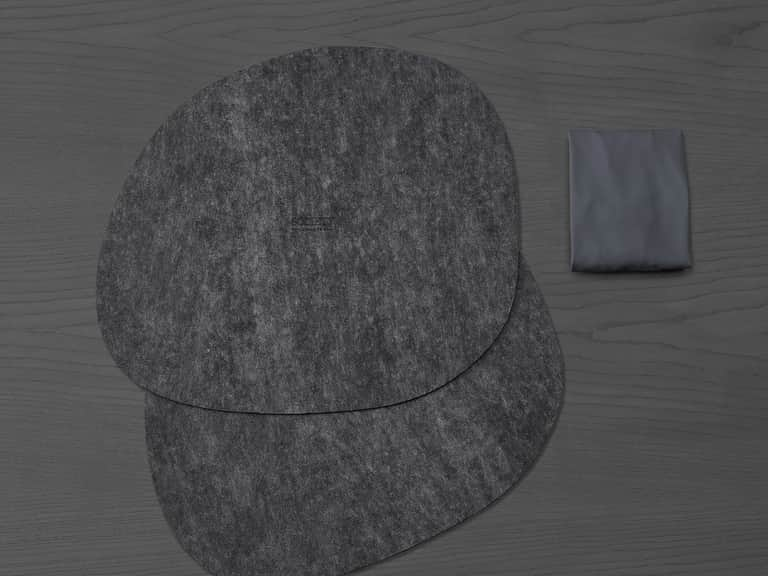
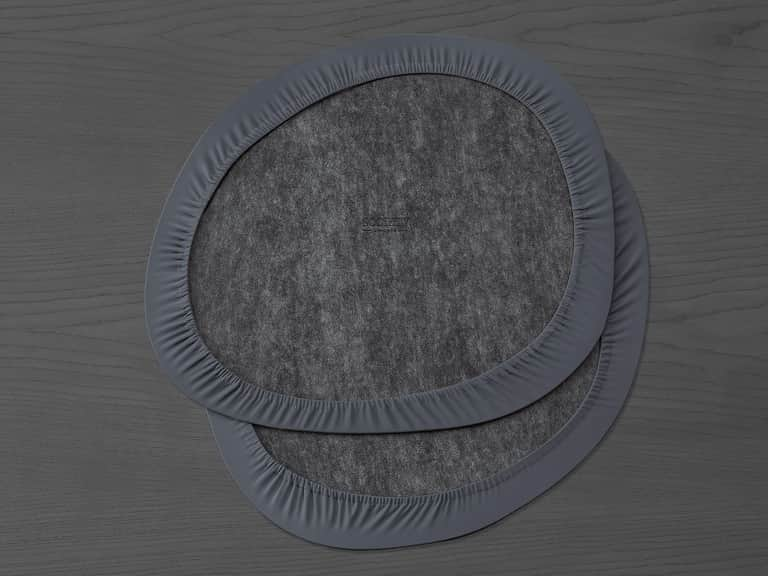
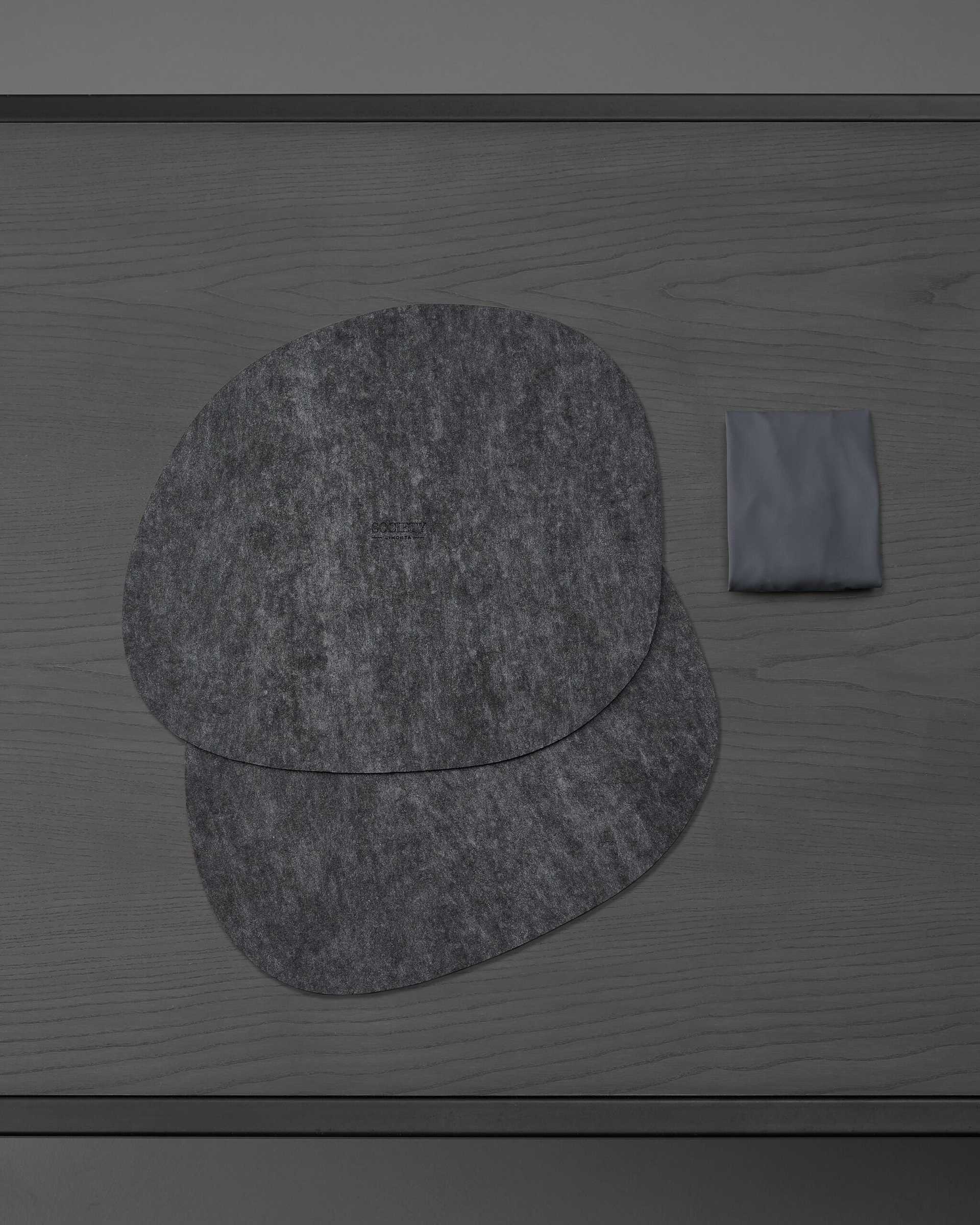
Refresh your table in seconds with easy-clean recycled nylon covers. Set of two mats that switch up the look, resist spills, and stay comfy under hot plates. Eco-friendly and simple to care for.
Placemats are essentials for protecting surfaces while enhancing dining comfort and presentation. In organic memory foam contexts, placemats can feature memory foam layers for cushioned underlays, providing heat distribution and impact absorption. Understanding materials, thickness, and edge finish helps readers evaluate suitability for various table surfaces and households.
Foam Placemats typically combine a soft top fabric with a resilient foam core to reduce noise and protect tabletops from heat, spills, and scratches. Their moisture resistance and easy-clean surfaces support practical daily use, while the foamed structure adds a comfortable dining experience without excessive bulk.
Foam Housse variants describe protective coverings designed to encase foam components, offering improved durability and stain resistance. These housses influence hygiene by enabling easier cleaning and maintenance. When selecting, consider breathability, zipper or seam construction, and compatibility with different chair heights and table layouts.
Foam Placemats, featuring integrated foam inserts, aim to balance cushioning with stability, reducing sliding during meals. They support children and adults alike by providing a soft, non-slip surface that helps prevent accidents. The materials chosen should align with safe, low-emission standards and easy sanitization practices.
Overall, foam-based placemats in this category emphasize compatibility with bedding-related products such as memory foam pillows and organic mattresses. Key features to note include foam density, cover fabric, edge stitching, and cleaning methods. The resulting combinations support versatile dining setups while maintaining a focus on comfort, safety, and long-term usability.
Table
 Table
 Table
 Table